Complete the square in three original quadratics to explain no real root, a repeated root and two distinct real roots. Keep the real-number scope and nonzero quadratic coefficient before checking the discriminant and substitution.
Work through log₂8+log₂4 and log₂(x−1)+log₂(x+1)=3. Separate valid bases, the product rule and original positive arguments, then check complete answers for base 1/2 and another equation.
Solve two original equations with (x²−4)/(x−2), preserving the domain and checking candidates. Compare no solution, the valid solution 3 and an identity with an excluded input.
Solve −3(x−2)≥12 as x≤−2, compare a second route and test the boundary and both sides. Work through strict, compound and unknown-coefficient variations without treating every minus sign as a reversal.
Multiply a 2×3 pack-count matrix by a 3×2 page matrix. Work through every cell, reconcile category order and totals, then solve a one-pack change with complete reference answers.
Work through 2, 4, 4 and 6 cm, retain each squared deviation, distinguish population and sample formulas, and verify the result with shift and scaling exercises.
Work through 5–12–13 and 6–8–10 cases, distinguish adding from subtracting squares and normalize units before applying the right-triangle relationship.
Derive a negative power from a quotient, compare four similar expressions and practice sign, parentheses and zero-base conditions with complete worked answers.
Prove the odd-number sum with a base and arbitrary-k step, repair an indexing error, and complete an even-sum exercise.
Enumerate every pair from five people, distinguish equal-role groups from chair/recorder assignments and use a three-person variation to explain division by 2! and 3!.
Solve sqrt(x+6)=x completely, explain why 3 and -2 cannot both remain, and change the right side to -x to test sign conditions and reversible reasoning.
Use 2/3 times 3 and a double-rounding example with 1.2451 to distinguish decimal places, significant figures and integer decisions. Keep exact working values and apply the final rule explicitly.
Use an original 3/4-liter and 1/8-liter-per-bottle exercise to explain fraction division. Derive the reciprocal rule, distinguish sharing from measuring, and verify whole bottles and leftover volume.
Start with multiples of 4 and even numbers, use 6 to reject the converse, compare four truth cases and solve a transfer exercise using multiples of 6 and 3.
Work through an original n²>n claim, domain restrictions, boundary values and repaired reasoning. Learn why one valid counterexample defeats a universal claim without proving universal failure.
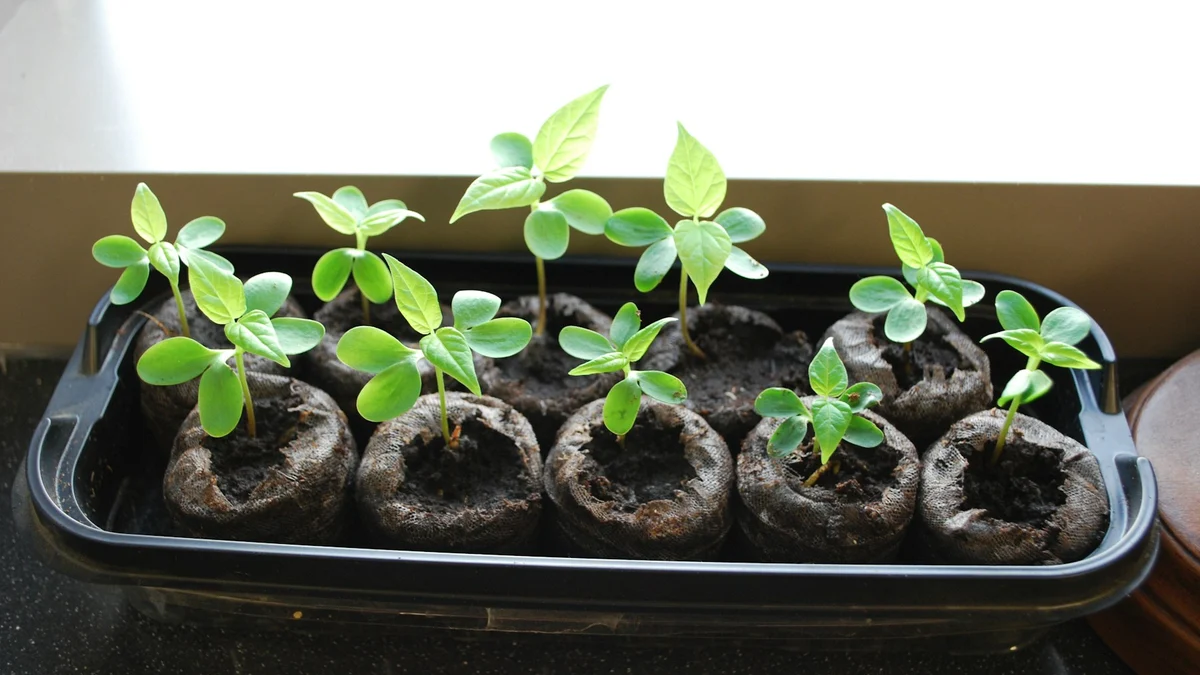
Use an original seedling example to separate observed differences from causal claims, identify light as a confounder and design a clearer randomized comparison.
Work through a 2×3×4cm box, check enlargement and shrinking independently, then change only one edge to test when square and cube scaling no longer applies.
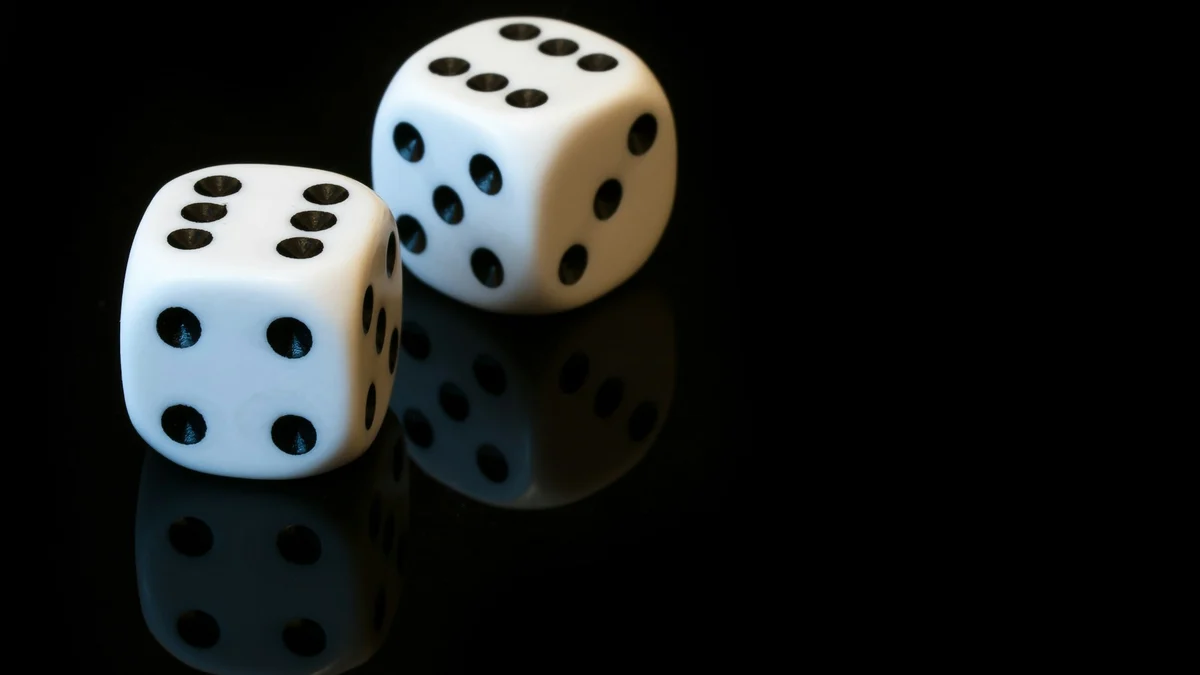
Work through original event combinations for two fair independent coin flips. Calculate intersections and probability products, then change the question to test whether you understand independence and mutual exclusivity.