Work through odd and even median examples, compare means, and check sorting, central positions, repeated observations and missing data with original practice questions.
Build lesson steps, question-and-answer cards and timed practice, using random selection deliberately and checking exported card fields.
Use length, date, age, percentage, BMI and kinship calculators as transparent arithmetic aids, with explicit inputs and limits.
Work through 100 fictional emails to distinguish P(flagged|spam) from P(spam|flagged). Select the conditional group before calculating, then test reverse questions and explain the denominator.
Work through grade weights and unequal class sizes, explain each contribution, reverse-solve a target score and practice conditions where an average of averages works.
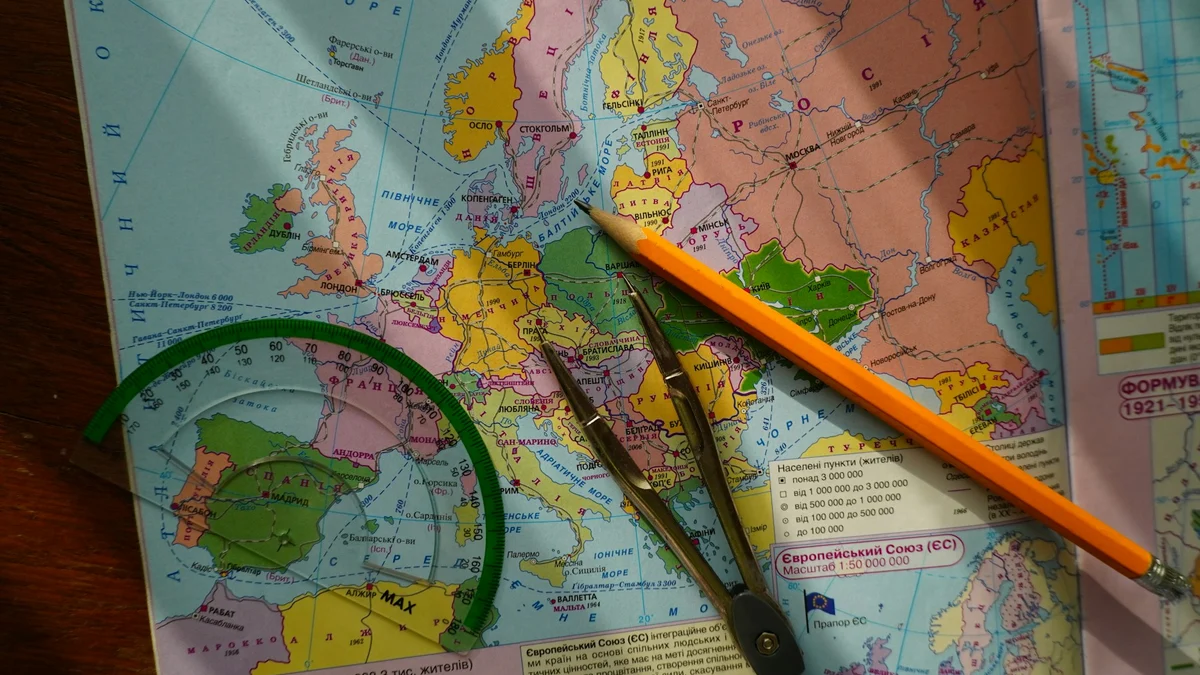
Work through 5.2 cm at a 1:25000 scale using explicit unit factors. Check magnitude and reverse conversion, then try a millimeter variation and explain why area conversion squares the length factor.
Use an original position-time example to connect axes, units and segment meaning. Separate position, distance and velocity, change the assumptions, and keep study notes that preserve graph evidence.
Use four original study questions to compare confidence with answer evidence. Find confident errors and uncertain correct answers, assign specific review actions, and retain independent recheck results.
Mix previously learned problem types, explain the method first and separate selection errors from arithmetic. Original area, perimeter and proportion examples guide your review.
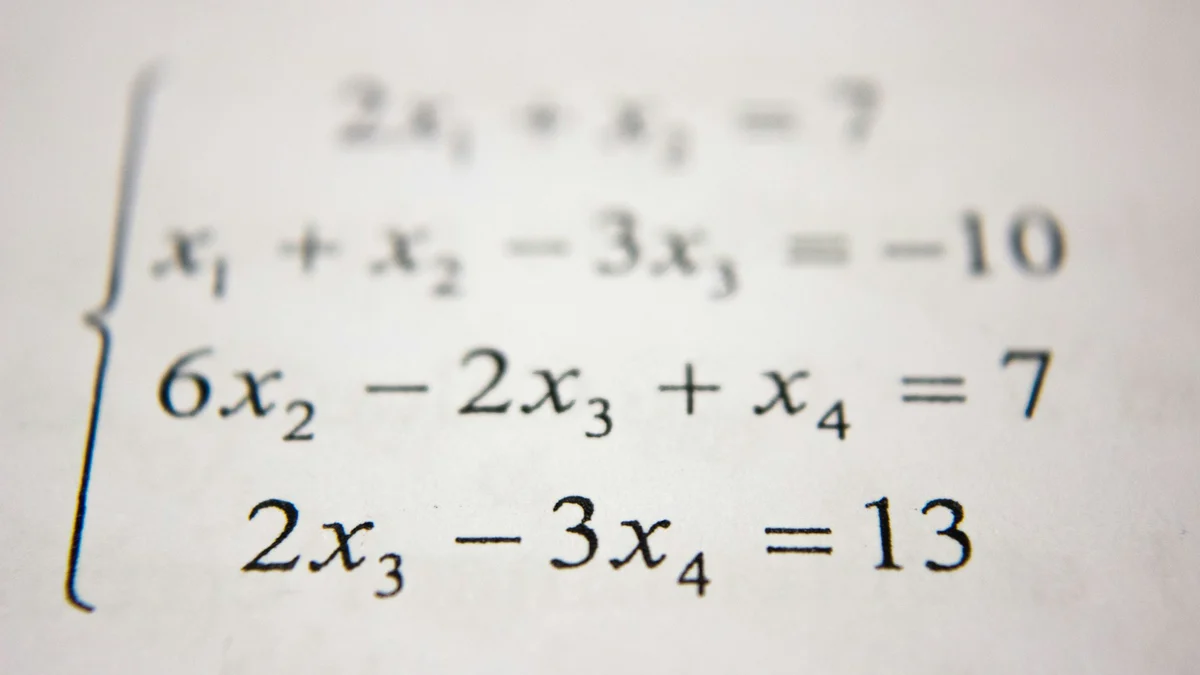
When a correct answer is hard to explain, identify each operation, its reason and its conditions. Use a short equation to distinguish understanding, memorized steps and checking.
Break a definition into conditions, explain examples and non-examples, and use a boundary case to reveal what your reasoning actually depends on.
Distinguish parts, sequence, causes and checks with meaningful link labels. Use an authored input-output example to inspect your map and identify relationships that still need source review.
Connect reading notes to an identifiable source version, PDF page position, printed page and section. Use an original example to distinguish quotations, explanations and unresolved questions.
Record the original working, first error, cause, correction and independent retry. Use an equation example to distinguish copying an answer from diagnosing the mistake.
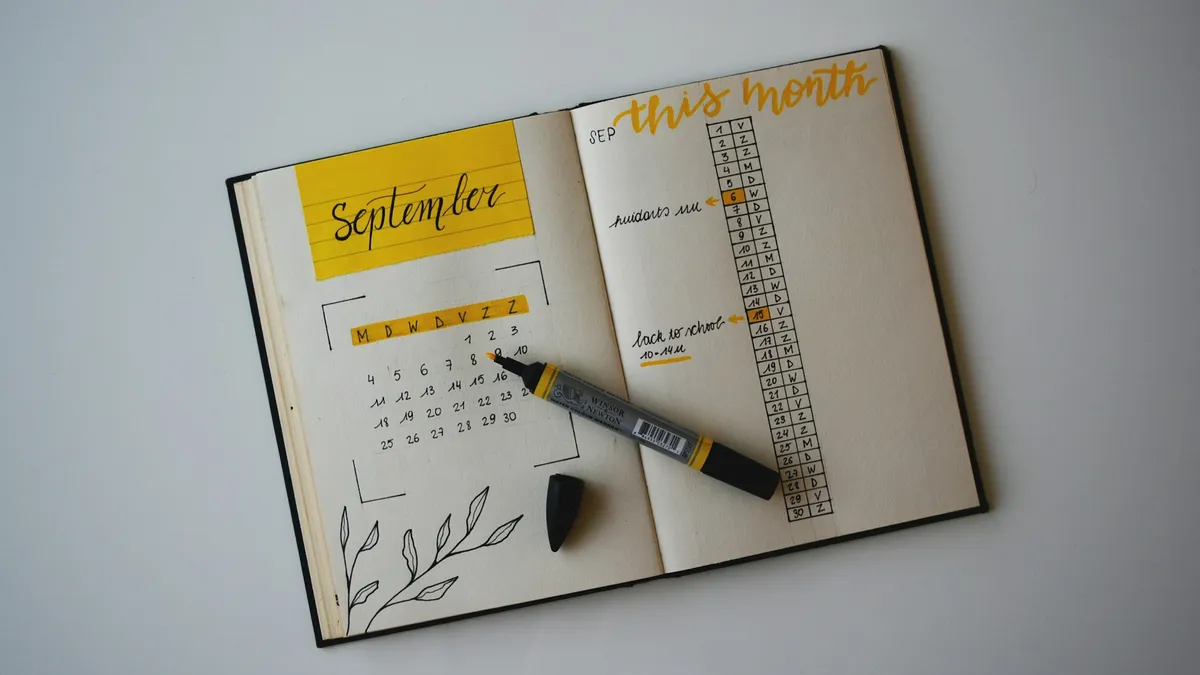
Connect a learning deadline, independent answers and error records to your next review date. Adjust a practical schedule from actual performance instead of copying a fixed formula.
Create questions from your notes, answer before checking the source, correct mistakes and plan another review. Includes an example, completion criteria and simple timer and task-list support.