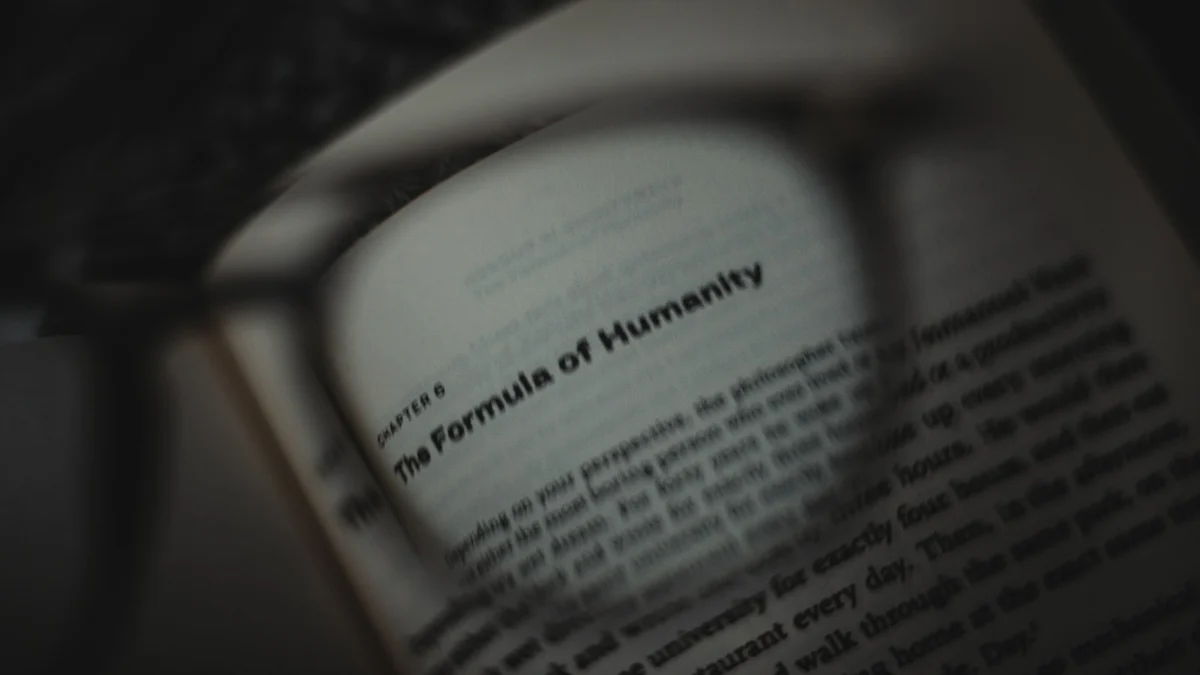
Use a three-fact reading specimen to check study audio across site identity, microphone access, system input, mute and playback. Keep transcription failures separate from permissions.
Enumerate every pair from five people, distinguish equal-role groups from chair/recorder assignments and use a three-person variation to explain division by 2! and 3!.
Use an original course-material exercise to distinguish desktop Chrome profiles, tab groups, website identity and downloaded files, with a checkable submission handoff.
Solve sqrt(x+6)=x completely, explain why 3 and -2 cannot both remain, and change the right side to -x to test sign conditions and reversible reasoning.
Use whole-page and selected-text translation with a sealed-jar sentence exercise. Preserve sample size, duration and exclusions in bilingual notes that still lead back to the original page.
Use 2/3 times 3 and a double-rounding example with 1.2451 to distinguish decimal places, significant figures and integer decisions. Keep exact working values and apply the final rule explicitly.
Turn a source-free note into search clues, adjust quoted phrases and site restrictions, then verify the original page, context and a reusable section locator.
Use an original 3/4-liter and 1/8-liter-per-bottle exercise to explain fraction division. Derive the reciprocal rule, distinguish sharing from measuring, and verify whole bottles and leftover volume.
Create a text-highlight link, verify its landing point and keep a plain-source fallback. Build a recoverable note with a short quotation, context and a real check date.
Start with multiples of 4 and even numbers, use 6 to reject the converse, compare four truth cases and solve a transfer exercise using multiples of 6 and 3.
Use a mixed lecture-page example to distinguish desktop Chrome page zoom, font settings and print scaling. Check subscripts, minus signs and the final table column before taking notes.
Work through an original n²>n claim, domain restrictions, boundary values and repaired reasoning. Learn why one valid counterexample defeats a universal claim without proving universal failure.
Use two levels of Chrome search to retrieve study sources, locate definitions and preserve context. Includes desktop steps, a worked scenario and recovery checks.
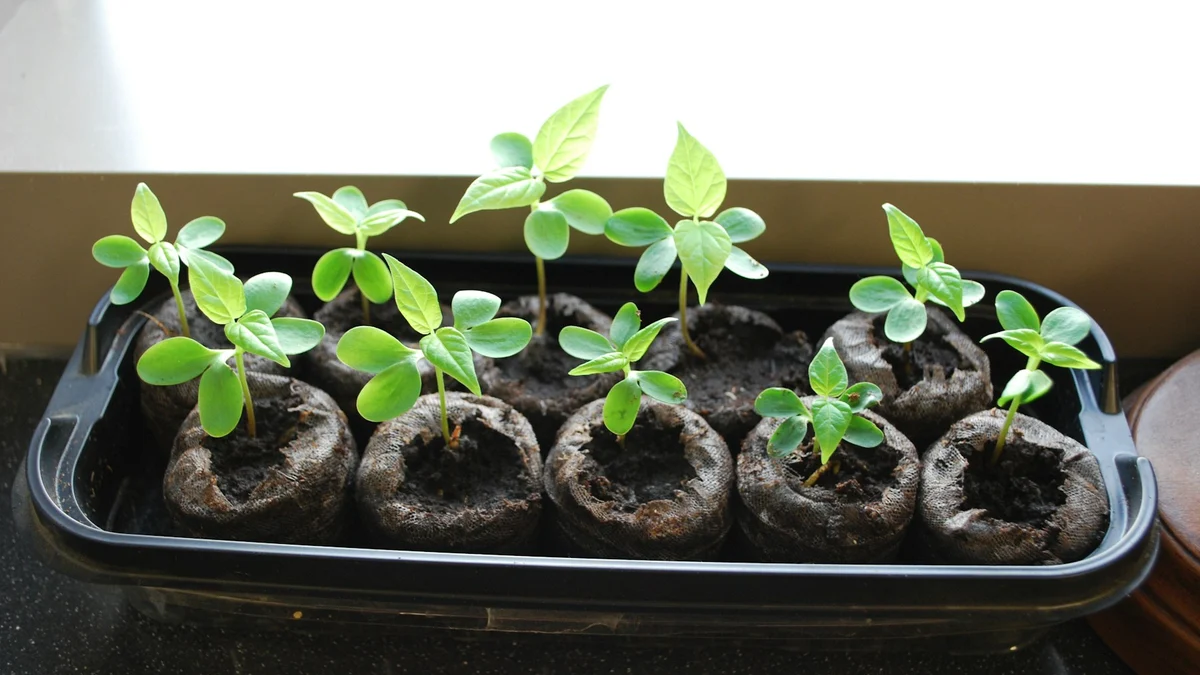
Use an original seedling example to separate observed differences from causal claims, identify light as a confounder and design a clearer randomized comparison.
Use Chrome print preview to check layout before selecting pages, preserve meaningful color and source details, and reopen the saved PDF to review the actual study material.
Work through a 2×3×4cm box, check enlargement and shrinking independently, then change only one edge to test when square and cube scaling no longer applies.
Prepare a real offline study session with an original three-resource example. Separate Chrome’s reading queue, local webpage files and online quizzes, then preserve source locations and unfinished steps.
Work through original event combinations for two fair independent coin flips. Calculate intersections and probability products, then change the question to test whether you understand independence and mutual exclusivity.