What changed
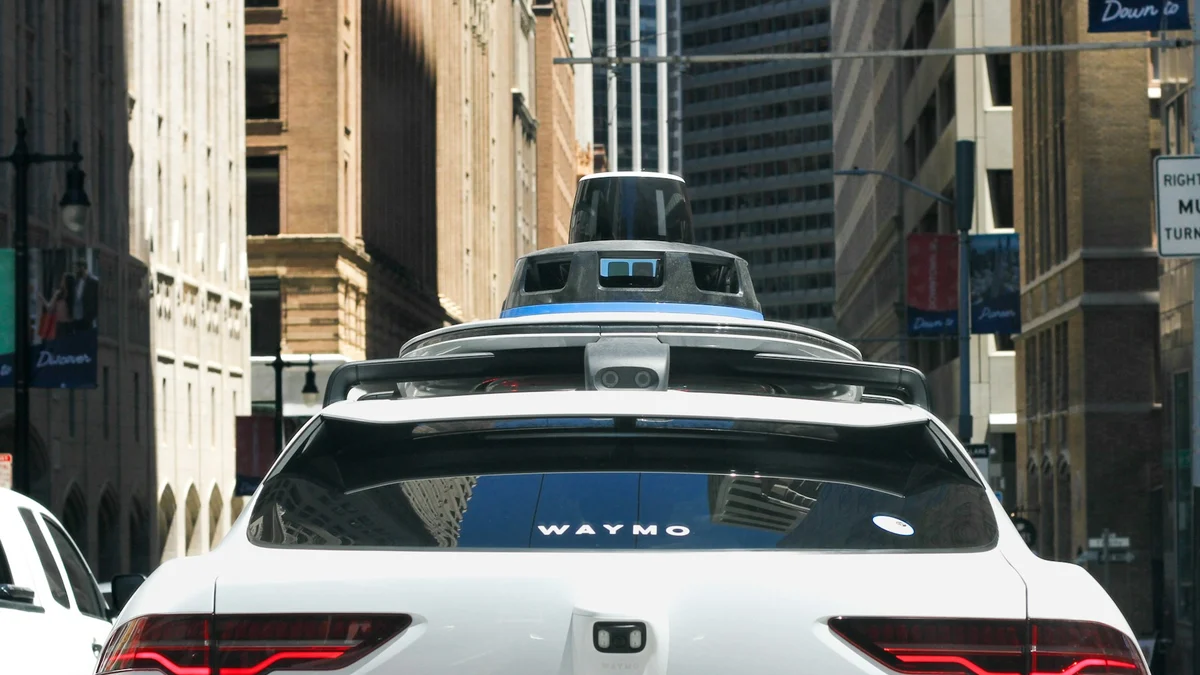
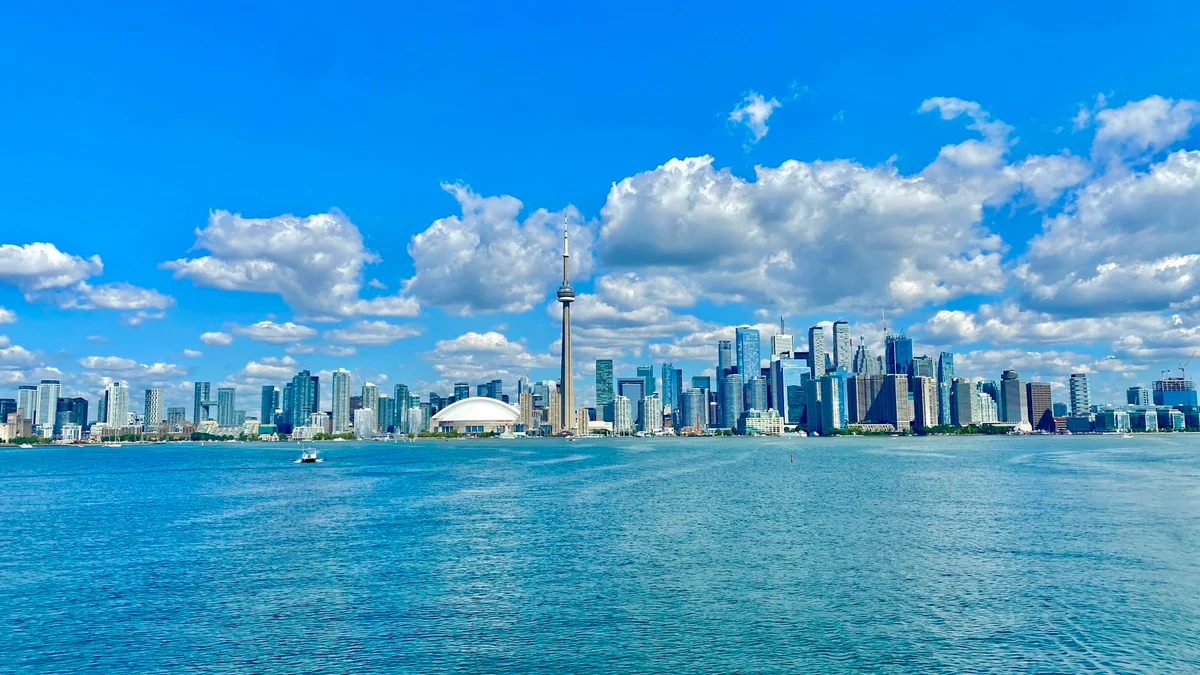
The original Toronto announcement describes an initial period of manual driving, street mapping and testing with trained specialists behind the wheel, with first riders targeted for 2028. It does not announce a currently bookable Toronto service. A vehicle sighting, update registration or future target does not establish availability for an actual trip.
What changed in this announcement
The development is preparation for a Canadian market. Waymo names Toronto-headquartered Element Fleet Management as a partner for local fleet and operational work. That helps explain the infrastructure behind a service, but it does not establish passenger access on a particular street, at an airport or for a particular account.
Keep 2028 as a target rather than converting it into a guaranteed date. The announcement does not supply a current fare, citywide boundary or airport pickup point to place in a travel itinerary. The following explanation of stages is editorial analysis, not a complete launch acceptance checklist published by Waymo.
Read the date and the operating stage separately
- 2026-10-16
Toronto announcement
Plans for the Canadian market were made public.
- Initial preparation
Manual driving, mapping and validation
Test vehicles on streets do not establish public order access.
- 2028 target
First riders
The actual service scope still needs later confirmation.
Mapping, validation and passenger service answer different questions
Mapping concerns the road environment. Validation concerns whether the system handles the tasks and conditions it is being prepared for. Public service also needs account access, geographic boundaries, dispatch and passenger support. The stages are connected, but a photograph of one cannot substitute for evidence about another.
A short clip saying that Waymo has arrived may establish only that a vehicle was present. Using it in a trip plan requires narrower evidence: selectable pickup and destination, the relevant time, passenger conditions and a fallback if availability changes. Mark an unanswered item as unknown rather than filling the gap from another market.
| Signal | Reasonable conclusion | Unsupported next step |
|---|---|---|
| Vehicle on a local street | A vehicle is operating locally | Everyone can book a ride |
| Updates registration page | Readers can follow future information | Registration grants order access |
| Future rider target | The company has stated a plan | Fares, airports and a precise start date are settled |
| A bookable specific trip | This account sees that option at this time | All areas and later times are covered |
How a Toronto visitor can use the information now
Consider an illustrative visitor arriving next month and traveling from accommodation to an evening event. This is a planning example, not a ride test. Keep currently confirmable transport in the itinerary and place Waymo in a separate future-updates note. A 2028 target is not a reason to remove transport costs or arrangements for that nearer trip.
If a public-service announcement appears later, repeat the comparison for the exact endpoints and current official app state. A city name alone does not establish every destination. Airports, suburbs and late-night journeys each need confirmation. This article makes no prediction about their future Toronto coverage.
Different readers have different next steps
Near-term visitor
Confirm transport available for the actual trip; do not depend on an unopened route.
Local resident
Follow official updates and distinguish observed testing from public service.
Business travel manager
Wait for verifiable account, route and support terms before adding an option to policy.
Why this differs from the three-city US update
Our earlier US public-access report concerns then-available rides and specific airport scope. Toronto concerns preparation for a future service. The announcements use different operating stages; do not transfer a US city’s availability to Canada.
The distinction between announcement, target and deliverable also helps when reading the Roadster launch and performance analysis. This is a comparison of evidence-reading habits, not a technical or safety comparison between the products.
What would justify changing an itinerary later
Follow the official Canada information page for updates. Read its terms before using any registration option; this article has not submitted anyone’s details. Leave unannounced fares, boundaries, airports and precise dates unresolved rather than borrowing figures from another city.
We have not taken a Toronto Waymo ride or verified future service performance. The news is the company’s stated local preparation. A later actual-access announcement should be assessed on its own date and scope.
Recheck before changing a real journey
- A new official availability announcement names the right city and date.
- The relevant account can select the actual endpoints and time.
- Current pricing, passenger conditions and support information are available.
- An important journey retains a fallback independent of one service.
Common questions
Can visitors book Waymo in Toronto from this announcement?
The announcement does not establish that. It describes initial preparation and a 2028 first-rider target; public access needs later confirmation.
Does seeing a test vehicle mean the city has launched?
No. Vehicle activity, testing and public passenger access are different evidence. The announcement describes manual driving and specialists behind the wheel initially.
Does 2028 settle fares or airport routes?
No. Those order-level conditions are not provided in this announcement. Do not apply another city’s pricing or service map.