What changed
For a car purchase, check the delivered version and contract. For a ride, check the service actually available at that time. This milestone makes the fleet vehicle and production route more concrete, without providing a retail Waymo package or a confirmed Japanese or UK route booking.
The fleet vehicle and next validation stage are now more specific
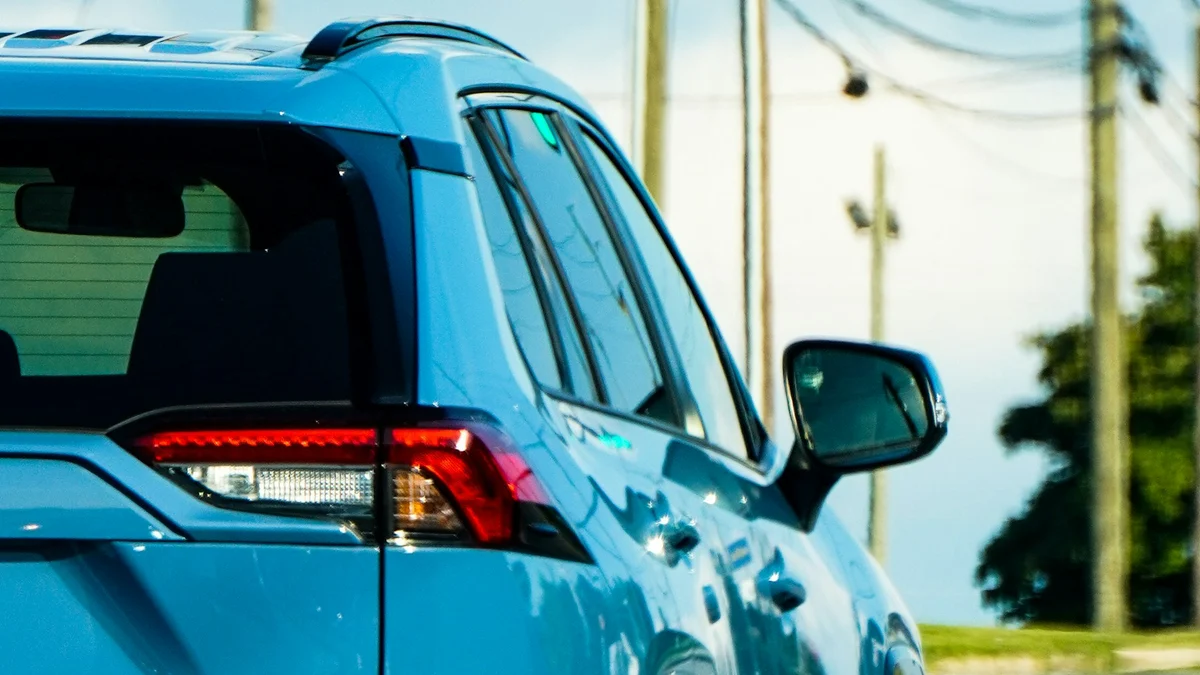
The October 30 Waymo–Toyota announcement advances a dedicated bZ4X fleet. Initial operations involving testing and validation are planned in Japan in 2027. Deployment to the UK and other Waymo-served markets is planned over following years, rather than on one worldwide opening date.
A vehicle, a production location and a validation stage can now be discussed as parts of one route forward. That is more concrete than a direction of collaboration. Producing a vehicle, validating an operating system and opening rides to people in a particular place nevertheless remain different deliverables. Judge progress against the deliverable you actually need.
The announced sequence is not a purchase or ride confirmation
- April 2025
Preliminary agreement
The starting point identified in the new release.
- October 30, 2026
Next phase announced
The bZ4X fleet and Takaoka integration route become specific.
- 2027
Initial Japan testing and validation
Preserve the stage description rather than inventing a public opening day.
- Following years
UK and further market plans
This does not supply a UK booking date, territory or fare.
Factory integration answers how it is built; ownership asks what you receive
The Toyota UK release says Takaoka will handle both base-vehicle assembly and integration of Waymo’s autonomous hardware. For a fleet intended to scale, the useful manufacturing question is how a base vehicle and dedicated equipment become a repeatable whole, rather than merely attaching a software name to a production car.
As an engineering-management interpretation, a defined integration route gives component versions, assembly steps and later validation a shared object. That explains an organizational choice. It is not a measured finding about cost, reliability or crash reduction, and the announcement cannot substitute for completed validation.
The release separately describes autonomous technology for personally owned Toyota vehicles as continued exploration. An ordinary bZ4X quotation therefore cannot inherit the dedicated fleet’s sensors, computing and operational capability simply because the model name matches. If a particular driverless function is a buying requirement, ask for its version, delivery status and permitted conditions in the contract. Without that evidence, compare the specifications actually being delivered.
We have not tested a retail bZ4X or established that the fleet system can be retrofitted to one. Production integration and an owner’s entitlement require separate judgments.
Three requests produce three different decisions
The following requests are an original fictional exercise, not customer records, orders or travel tests. All three people see the same bZ4X news but need different things accepted. Copying the headline into each plan would conceal the actual missing evidence.
The first is a product purchase missing a contracted feature. The second is a service purchase missing confirmable transport. The third is a task-fit decision missing support for the passenger and equipment. New evidence for one row does not automatically pass the other two.
Suppose a bookable route later appears without saying whether the passenger can remain in a wheelchair. The hotel could continue checking an ordinary transfer while keeping the wheelchair request unresolved. Conversely, an accessibility demonstration cannot confirm your date and endpoints. Separate decisions make a handoff more useful than one broad “autonomous driving supported” label.
| Request | What needs acceptance | Current decision |
|---|---|---|
| Family purchase requiring a delivered driverless function | Specific retail version, contract and permitted conditions | The news does not satisfy the mandatory requirement. Compare delivered specifications; do not count a fleet plan as equipment already purchased. |
| Hotel transfer on a particular day in Japan in 2027 | An available route, booking entry, capacity and confirmation | Keep the fleet as a candidate and retain a confirmable transfer. Do not promise a route with no operating evidence. |
| Passenger travelling with a specified wheelchair and needing boarding help | Vehicle fit, wheelchair handling, assistance process and stop | Obtain the relevant service information. Automatic doors or rear legroom do not answer every requirement. |
Level 4 and automatic doors each come with a scope
The footnote in Toyota’s Japanese announcement describes Level 4 as the system performing all driving operations within limited conditions. Those conditions are part of the definition. Removing them and inferring every road, weather condition or route would change the claim. We do not fill in operating boundaries that this fleet announcement has not supplied.
A factory environment also differs from a road service. Our explanation of BMW’s factory driverless movements and their road boundary shows why the task environment comes first. Here, ask whether you need a personal vehicle or transport supplied by an operator within a particular scope. An automation level alone cannot answer both questions.
The announcement mentions automatic doors, a power liftgate and rear legroom. These provide concrete things to examine for boarding, but wheelchair dimensions, securement, seat transfers and assistance still need confirmation from the actual service. A convenience component is not proof that every adaptation has been completed.
What should trigger a change to an existing plan?
Update a decision when new evidence matches the object you need accepted. A car buyer needs delivered functions; a travel organizer needs a real service entry; a passenger with particular needs requires matching adaptation and assistance information. Following the partnership need not mean cancelling an arrangement you can already confirm.
Another prototype photograph could update your view of the design without supplying a booking date. A formal service notice should be recorded separately from its effective date and the result of an actual booking. Our article on Waymo’s Madrid plan versus bookable service explains that adjacent timing question. This article adds the choice between a dedicated fleet program and a personal car purchase.
Give the next update a specific decision trigger
Buying a car
Reassess when the relevant version, contractual feature and conditions are supplied. A partnership is not delivered equipment.
Planning transport
Replace an arrangement when a real route and confirmation meet the need. A testing year is a follow-up lead.
Checking suitability
Obtain information matching the passenger, equipment and assistance requirement. Do not infer the result from a door feature.