What changed
Use 3D maps for spatial context, place components for conditional data and the actual business process for a booking result. Destination B has a 14-minute arrival buffer in this exercise, versus A’s 7 minutes. Missing activity data at A does not mean quiet, B’s above-usual activity does not supply a queue duration, and neither place becomes booked merely by displaying a button.
Identify the released products before combining their promises
The October 27 Google Maps Platform announcement lists Maps 3D SDKs for Android and iOS, plus Places UI Kit Pro for iOS, as generally available. The former brings spatial scenes to native apps; the latter extends place-information and interaction choices. Apps still need integration, configuration and acceptance work.
For a travel-product team, separate understanding the surroundings, deciding when to go and completing an action. One screen can display all three without automatically connecting their evidence. Seeing buildings near an entrance does not establish a usable pickup point. A place card does not establish that a reservation service has accepted a request.
| Layer | What the update can support | Evidence needed separately |
|---|---|---|
| Mobile 3D map | Spatial previews, markers and scene interaction in native Android/iOS apps | The actual entrance, accessible path or service stop; the scene is not current on-site video. |
| iOS place information | Popular times, live activity and other place details where data exists | Whether the display represents a historical pattern or current signal; absent fields remain unknown. |
| Pro custom action | Your own place-action buttons and process entry | Whether the receiving system completes the request, which state it returns and whether confirmation exists. |
Original case: how much time remains before 15:00?
A fictional visit-planning app compares destinations A and B. Departure is at 14:30, with a target of reaching the specified entrance before 15:00. The travel and final-walk times below are editorial inputs, not live Google routes, actual venues, SDK responses or observed journeys. Booking states are also part of the exercise.
Calculate only what those inputs support. A takes 18+5=23 minutes, arriving at 14:53 with 7 minutes remaining. B takes 12+4=16 minutes, arriving at 14:46 with 14 minutes remaining. B therefore leaves 7 more minutes under these fixed assumptions. No queue, admission or booking-processing duration was supplied, so arrival at an entrance cannot be relabelled as a completed visit.
| Item | Destination A | Destination B |
|---|---|---|
| Travel plus final walk | 18+5 minutes | 12+4 minutes |
| Entrance arrival / buffer before 15:00 | 14:53 / 7 minutes | 14:46 / 14 minutes |
| Activity information | No available field | Currently above usual activity; no queue duration |
| Booking | Unconfirmed | Unconfirmed |
These are reproducible reference answers, not measurements of route error, service speed or a Google product’s effectiveness.
Missing data, historical popularity and current activity are different states
A’s empty field means this exercise has no activity information. Replacing it with zero people, no wait or quieter would add unsupported facts. B’s signal concerns current activity relative to usual levels; it cannot independently supply an eight-minute queue or a definite admission time.
Google’s visit-data explanation distinguishes typical popular times, live visits and wait estimates. It describes aggregated, anonymized data from opted-in users and requires sufficient data for display. Preserve signal type and absence rather than assigning one reassuring green label to every place. This help explains methodology, not a guarantee that every business returns the same fields.
Repair a recommendation card that exceeds its inputs
A has no activity field, so it is quiet. B has an eight-minute wait. Both places have a Book now button, so both are reserved.
A: activity unknown; estimated entrance arrival 14:53. B: currently above usual activity; estimated entrance arrival 14:46. Queue durations are unconfirmed, and neither booking is confirmed.
Eight minutes is deliberately invented in the faulty candidate, not a wait time supplied by Google.
Crowd signals do not automatically require Pro
The announcement explicitly puts popular times and live busyness in both Essentials and Pro for iOS. Pro adds configuration choices such as action buttons. If the task is displaying place information and available activity data, first evaluate whether Essentials meets it. If a custom reservation or waitlist entry is needed, give Pro’s configurable interaction a specific requirement instead of upgrading for an unused capability.
The iOS component documentation places the library in PlacesSwift SDK, compares the tiers and describes billing per component instantiation. Assess actual components against current pricing rather than treating every page view as one fixed charge or claiming unlimited free use. The announcement also preserves availability, functionality and terms differences for EEA billing addresses.
The Android/iOS scope of the mobile 3D SDKs is separate from the iOS place components discussed here. Check target platforms, accounts, regions, integration documentation and the receiving process. General mobile availability does not mean every device, place and user meets every condition. As with the vehicle and software conditions for BMW Maps, a similar product name cannot replace a specific entry point and scope.
Make the pilot decision specific enough to hand over
If the user asks only which option leaves more time before entrance arrival, B is supported by the exercise. If the requirement is completed, reservation-dependent admission before 15:00, neither option can be accepted from these inputs. Confirm the actual reservation and admission process next. Recording these as separate requirements exposes conditions hidden by a bare recommendation of B.
A minimal pilot can keep a stable place identifier across the 3D preview, place details and business action; preserve activity type and unknown states; and distinguish click, submitted, pending and confirmed. Change booking status only after checking a real receiving-system response against the intended place, time and request. This is an editorial acceptance design, not an SDK integration completed for this article.
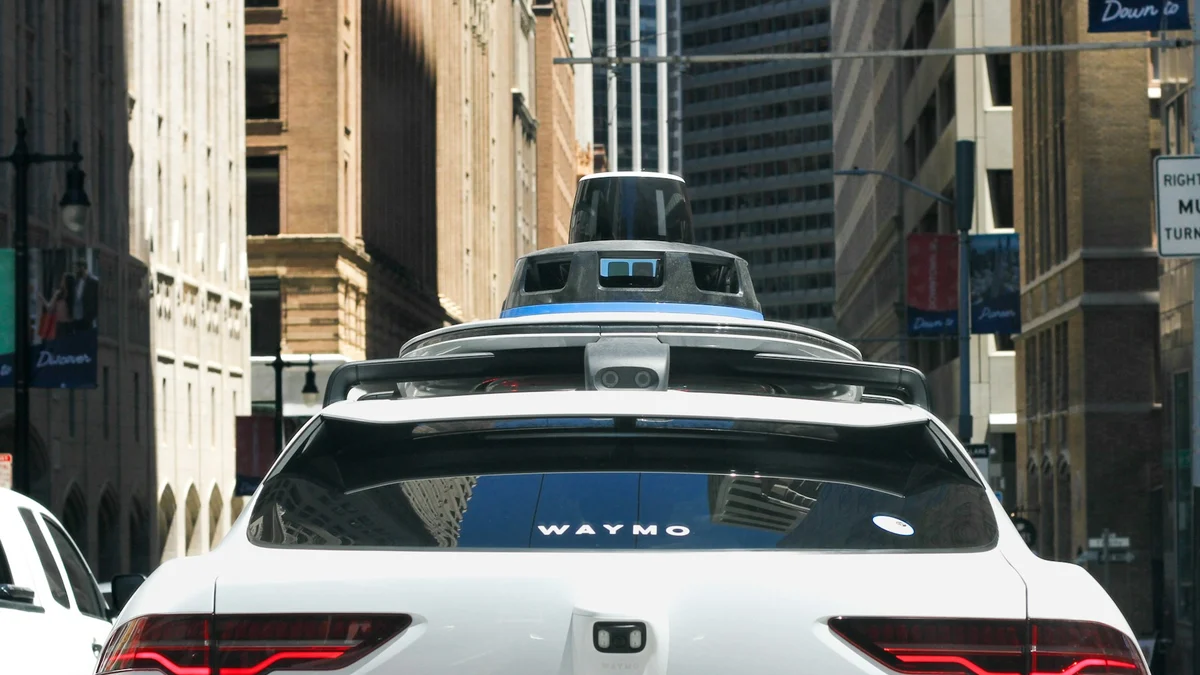
For actual transport, confirm the specific route too. Our Waymo city-access and airport-trip case explains why support for a city or destination cannot replace availability for one transport segment. Google’s update offers richer presentation and action entries; a dependable choice still needs the evidence owned by each step.
Accept three different results
Correct presentation
Place identity, entrance information and spatial preview agree; imagery is not treated as a live scene.
Correct meaning
Historical, current and missing information remain distinct; arrival arithmetic excludes unsupplied queue times.
An action with a result
The receiving process supplies the state after a button click; a click is not logged directly as a successful reservation.